Cataracts
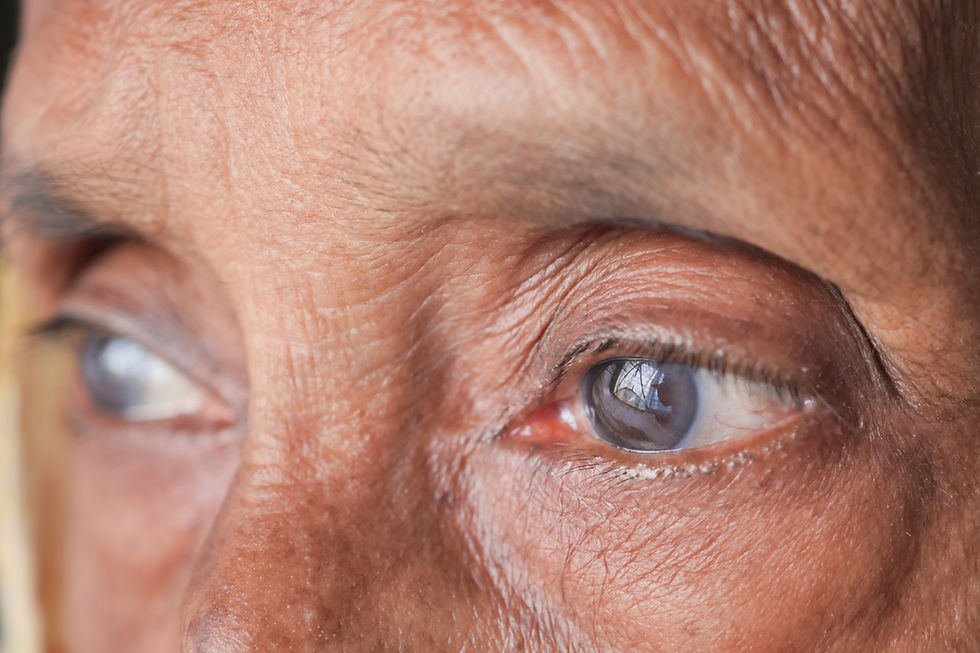
A cataract is a clouding of the natural lens inside the eye. It usually develops gradually as part of ageing and can make vision blurry, hazy or less colourful over time. Early cataracts may not cause noticeable symptoms. An eye examination can detect cataracts and help determine whether any management is needed.
Key Takeaways
• A cataract clouds the eye's natural lens, causing light to scatter rather than focus sharply on the retina.
• Common signs include blurry vision, increased glare, faded colours and difficulty seeing at night.
• Ageing is the most common cause. Diabetes, smoking, ultraviolet exposure, steroid use and eye injury also increase risk.
• An eye examination is needed to confirm cataracts because other conditions can produce similar symptoms.
• Surgery is the only way to remove a cataract, but it may not be needed straight away if symptoms are mild and daily activities remain manageable.
Quick Facts |
|---|
Body system Eye (the natural lens) |
Commonly affects Risk increases with age; can also occur in younger adults and children |
Common symptoms Blurred vision, glare, haloes, faded colours, poor night vision |
Typical specialist Ophthalmologist |
How it may be managed Updated glasses for milder symptoms; cataract surgery when vision affects daily life |
Usually urgent? No. Sudden vision loss, flashes, new floaters or severe pain need urgent assessment. |
Reading time About 6 minutes |
What Are Cataracts?
The natural lens sits behind the coloured part of the eye (the iris) and helps focus light onto the retina. A cataract develops when part of this lens becomes cloudy. The clouding happens within the lens itself, not as a film over the surface of the eye.
Cataracts can develop in one eye or both, but they do not spread from one eye to the other. In many people the clouding builds up slowly over months or years. As the cataract becomes denser, everyday tasks such as reading, driving or recognising faces may become more difficult.
How Cataracts May Develop |
|---|
Age-related changes The lens gradually becomes less clear over time. This is by far the most common cause. |
Eye injury A serious injury can damage the lens and lead to a cataract, sometimes years later. |
Diabetes or steroid use Cataracts may develop earlier in people with diabetes or those who have used steroid medication over a prolonged period. Do not stop or change prescribed steroid medication without speaking to the clinician who prescribed it. |
Radiation or UV exposure Long-term ultraviolet exposure or radiation treatment affecting the eye area can contribute. |
Congenital factors Some children are born with cataracts or develop them in early childhood. Larger cataracts that affect vision need timely specialist assessment. |
Previous eye surgery Cataracts may develop or progress after other eye operations. |
What Are the Symptoms of Cataracts?
Cataract symptoms tend to appear gradually. You may notice:
• Cloudy, blurry or hazy vision, as though looking through a dirty window
• Glare or dazzle from sunlight, lamps or oncoming headlights
• Haloes around lights, particularly at night
• Colours looking faded or washed out
• Needing brighter light for reading or close work
• Frequent changes in your spectacle prescription
• Difficulty seeing clearly at night or in dim lighting
These symptoms can also occur with other eye conditions, so an eye examination is important to find the cause.
Symptoms That Need Urgent Attention
Seek urgent eye assessment if you experience: • Sudden vision loss or rapidly worsening vision • Flashes of light • A sudden increase in floaters • A dark curtain or shadow across your vision • Severe eye pain • A red eye with sudden blurred vision |
These are not typical gradual cataract symptoms. They may indicate retinal detachment, acute glaucoma or another condition that needs immediate attention.

What Causes Cataracts and Who Is at Risk?
The most common cause is the natural ageing of the lens. Over time the proteins in the lens change, causing it to become less clear. Other factors that increase the likelihood include:
• Diabetes, particularly when less well controlled
• Smoking
• Prolonged ultraviolet exposure without adequate eye protection
• Long-term use of steroid medication
• A previous eye injury or eye surgery
• A family history of cataracts
• Radiation treatment affecting the eye area
• Excessive alcohol consumption
How Are Cataracts Diagnosed?
An ophthalmologist can detect cataracts through an eye examination. This typically involves:
• A discussion of your symptoms and how they affect daily activities
• Testing your vision and current spectacle prescription
• A slit-lamp examination, where a specialised microscope and light are used to look at the lens and other parts of the eye
• A dilated examination, where drops widen the pupils so the inside of the eye can be seen more clearly
• Checking for other conditions that could also be affecting your vision
Not every patient needs every test. The ophthalmologist selects assessments based on your symptoms and what the examination shows.
Do Cataracts Always Need Treatment?
Not straight away. When a cataract is mild and daily life is not significantly affected, practical steps such as updating your glasses, using brighter lighting or wearing anti-glare sunglasses may help you manage. These measures improve comfort but do not remove the cataract.
Cataract surgery is the only treatment that removes the cloudy lens. It replaces it with a clear artificial lens. Surgery is usually considered when your cataract affects activities that matter to you, such as reading, driving or working. The decision is based on your symptoms, how well you can see during everyday activities, your eye health and your own preferences.
Learn how cataract surgery works, when it may be considered and what recovery involves on the Cataract Surgery page.
What Happens If Cataracts Are Not Treated?
Cataracts generally continue to develop over time. Vision may gradually become cloudier, and activities such as reading, driving and working may become more difficult. Many people live with mild cataracts for years before surgery becomes a practical consideration.
Cataracts mainly affect sight by clouding the lens. Other eye conditions may also be present, and an advanced cataract can sometimes make it harder for an ophthalmologist to examine the back of the eye. Cataract surgery may still be considered when a cataract is advanced, although the expected result depends on the health of the rest of the eye and the person's individual circumstances.
Can Cataracts Be Prevented?
There is no proven way to prevent cataracts completely. However, several measures may help reduce your risk or delay earlier development:
• Wear sunglasses that block ultraviolet rays and use a hat outdoors
• Avoid smoking, or seek support to stop
• Manage diabetes with appropriate medical care
• Use eye protection during sports or activities with an injury risk
• Eat a balanced, nutrient-rich diet
Regular eye examinations are important, particularly as you get older or if you have known risk factors.

When Should You See an Ophthalmologist?
Consider arranging an eye examination if you notice:
• Gradually increasing blurred or cloudy vision
• Growing difficulty seeing at night or in low light
• More glare or haloes around lights
• Frequent spectacle-prescription changes
• Vision changes that interfere with reading, driving, work or hobbies
If you have already been diagnosed with cataracts, a review is helpful when your symptoms change or daily activities become harder.
In Singapore, you may start with an optometrist, GP or polyclinic, or arrange a direct appointment with an ophthalmologist. Subsidised public specialist care may require an eligible referral. Your optometrist or GP can advise on the most appropriate next step.
Find an ophthalmologist or eye clinic for an eye assessment.
Your Possible Care Journey
The path from first noticing a change in your vision to receiving care typically follows these stages, although the exact sequence varies:
1. Vision changes noticed
2. Eye examination by an optometrist, GP or ophthalmologist
3. Examination and any tests needed to confirm the cause
4. Cataract confirmed and its effect on daily life discussed
5. A plan is agreed: updated glasses and monitoring, or discussion about surgery
6. Follow-up based on your symptoms and preferences
If surgery is being considered, read how MediSave and insurance may apply to cataract surgery in Singapore.
Frequently Asked Questions
Can cataracts affect one eye more than the other?
Yes. Cataracts can develop in one eye or both, and they often progress at different rates. A cataract in one eye does not spread to the other.
Can cataracts make night driving difficult?
Yes. Glare and haloes from oncoming headlights are common complaints. If night driving feels unsafe, this is worth discussing with an ophthalmologist.
Can glasses improve cataract-related vision changes?
An updated prescription may improve clarity for a time, especially in the earlier stages. However, glasses cannot remove the cataract itself. As the clouding increases, glasses may become less effective.
How quickly do cataracts progress?
Most cataracts develop gradually over months or years, but the rate varies. Some remain mild for a long time, while others progress more noticeably. Regular eye examinations allow your ophthalmologist to track any changes.
Can a cataract return after surgery?
Once the natural lens is removed, the original cataract cannot return. However, the capsule behind the artificial lens can sometimes become cloudy, a condition called posterior capsule opacification. This is not the cataract growing back and can usually be treated with a brief laser procedure.
References
Singapore clinical sources
• Singapore National Eye Centre. Cataract Surgery. https://www.snec.com.sg/patient-care/conditions-treatments/cataract. Accessed 14 July 2026.
• Singapore National Eye Centre. Cataract and Comprehensive Ophthalmology: What We Do. https://www.snec.com.sg/our-specialties/clinical-interests/cataract-comprehensive/what-we-do. Accessed 14 July 2026.
International clinical guidance
• National Eye Institute. Cataracts. Updated 26 November 2025.
• National Eye Institute. Types of Cataract. Updated 6 August 2025.
• National Institute for Health and Care Excellence. Cataracts in Adults: Management, NG77. Published 26 October 2017; last reviewed 20 May 2025.
Urgent-warning-sign references
• National Eye Institute. Retinal Detachment. Updated 5 November 2025.
• National Eye Institute. Types of Glaucoma. Updated 5 December 2024.